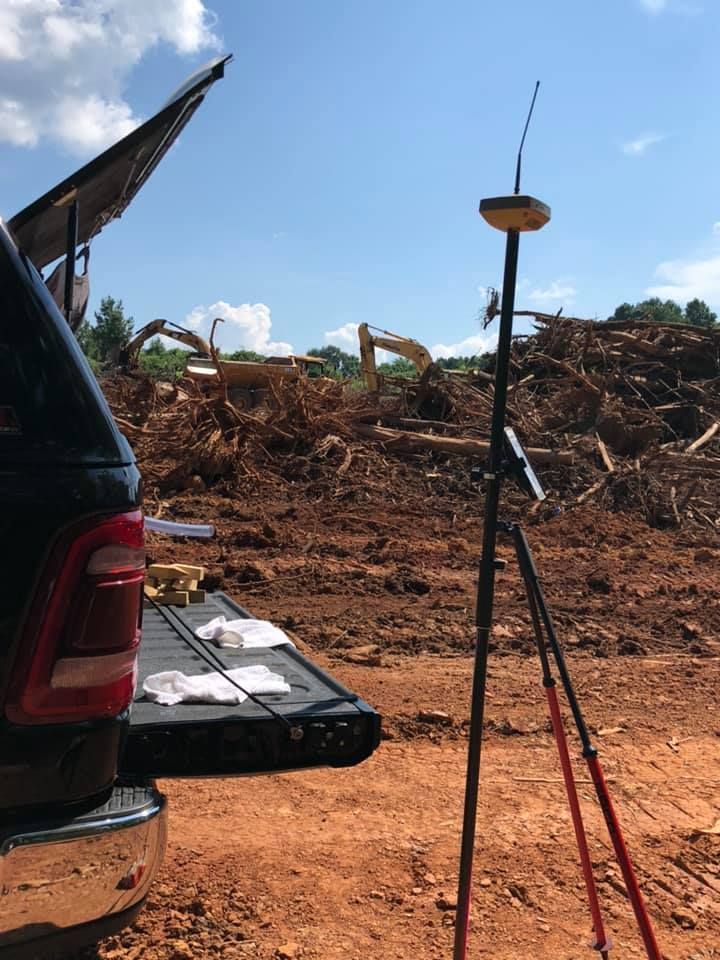
Natural characteristics
- Slopes, hills and ravines
- Streams, rivers and lakes
- Trees
Topographic Surveys
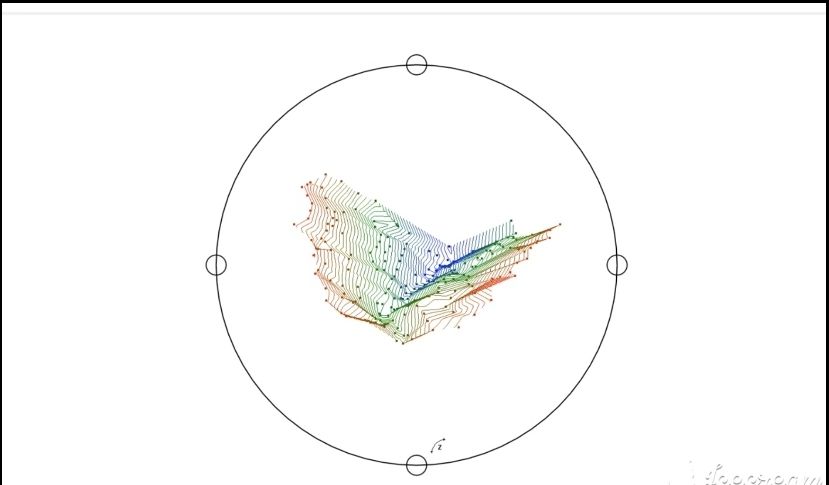
A topographic survey measures the elevation of the ground and everything on it, and presents it as contour lines – the starting point for planning, grading, drainage and design.
What we capture
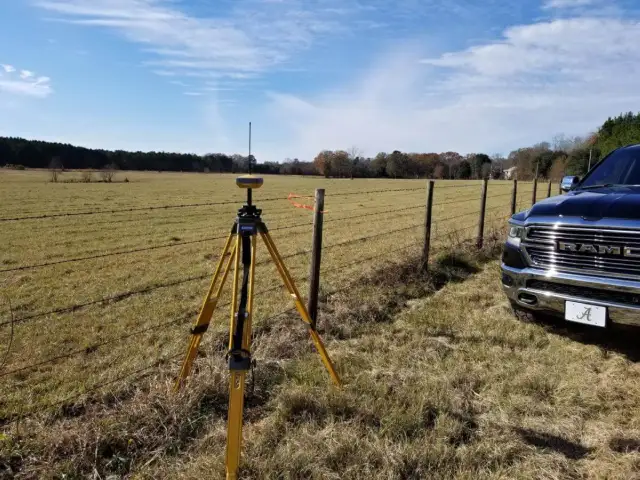
Unlike surveys that measure horizontal distance, a topographic survey measures the vertical distance above or below a reference point – plus everything on the land that affects your plans.
How a topographic survey comes together
A good example of office work after fieldwork – the same steps Randy shows in his topographic survey for a dam design.
Detail on demand
With modern software, our topographic data is delivered in digital form that contractors, engineers and architects can use and update during planning, excavation and construction. If an extremely detailed survey is needed, we collect supplemental data; when a simple, less detailed drawing will do, less data is required – and you pay for what your project actually needs.
Most construction projects start with a topographic survey, and it may be required before a real estate transaction. Governing authorities may ask for one because of building or zoning codes or environmental concerns. A topographic survey does not involve placing markers or flags – it is presented as a drawing and a digital surface.
From the rolling hills and creek bottoms of Chilton County to steep lots around Birmingham and the river floodplains near Prattville, Montgomery and Selma, the ground in our area changes a lot over short distances. Using the natural landscape in grading and drainage plans is both cost effective and better looking – and it starts with accurate elevations. For ponds and dams, see how Randy took a topographic survey for a dam design from field points to a 3D model.
For large or hard-to-walk sites – quarries, farms, timber tracts, big commercial pads – we can add drone data: orthomosaic images and 3D surfaces that show the whole site at once, tied to ground control measured with GPS.
Questions & answers
Whenever someone has to design something on the land – a house on a sloping lot, a driveway, a pond or dam, drainage, a road, a commercial site. Engineers and architects need the existing elevations before they can design grades.
No. A boundary survey locates property lines and corners; a topographic survey maps elevations and features. Many projects need both – we can combine them in one drawing.
A drawing with contour lines and features, plus digital data your engineer or architect can use in their design software.
We include underground utilities that have been marked on the ground by the appropriate agency or utility locating service, together with all visible improvements.
Our work
Related
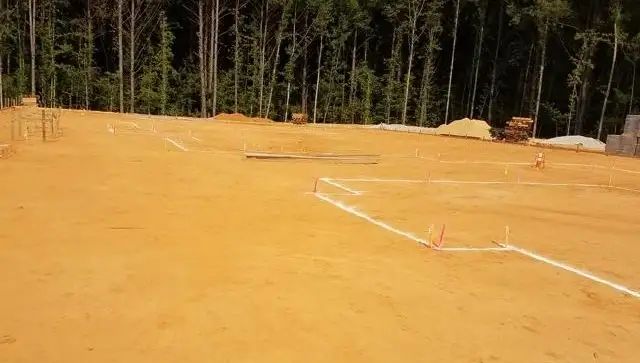
We interpret architectural or engineering plans and stake the location and elevation of new structures.
Learn more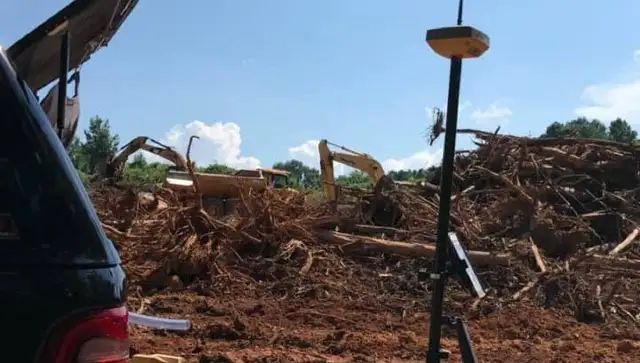
A site plan for your building permit – lot, setbacks, easements and the proposed house, drawn to scale.
Learn more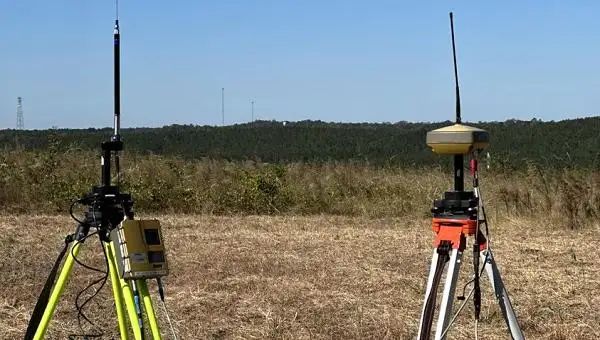
Documents what was actually built – during construction and for the Certificate of Occupancy.
Learn moreContact
When you call, you talk directly to a qualified land surveyor.